CERAMIC BATHTUBS (TŌKI)
SHIGARAKI-YAKI
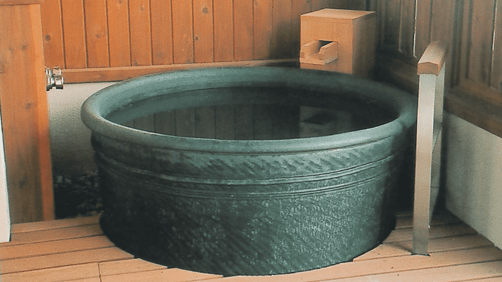
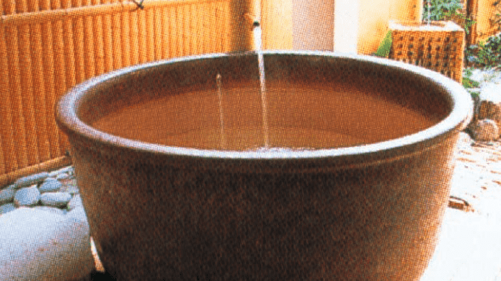
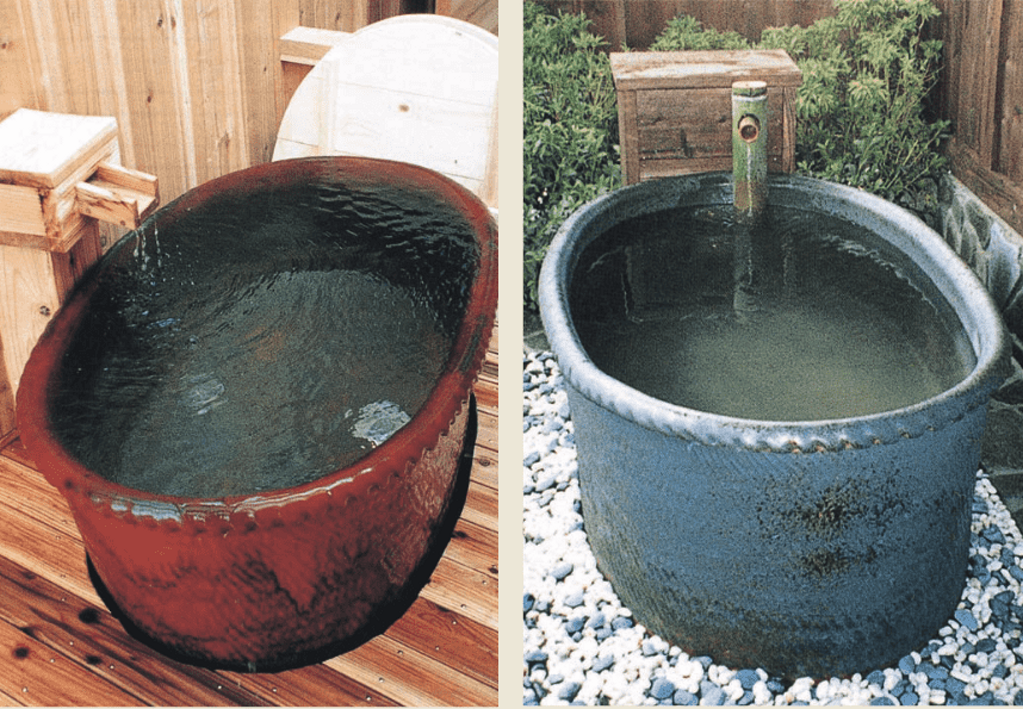
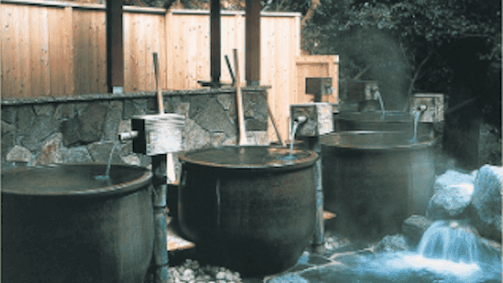
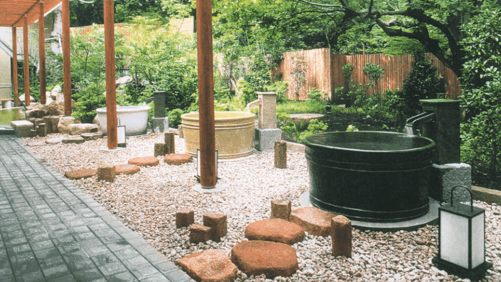
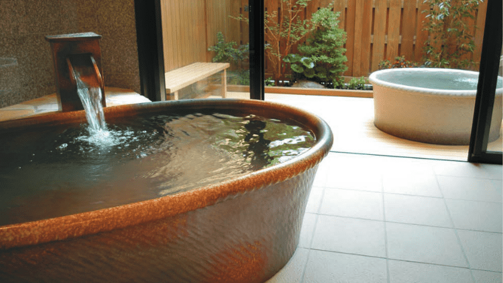
Tōki means "ceramic," yaki means "fired," and Shigaraki is a town in Shiga Prefecture, not far from Kyoto. Shigaraki-yaki pottery is one of the Six Ancient Ceramics of Japan and is registered as a Japanese cultural heritage. This oldest ceramic-producing area in Japan boasts a 1,300-year-old tradition. When Emperor Shōmu began construction of the Shigaraki no Miya imperial court in 742, nunome-gawara tiles and sueki vases were initially produced here. Later, various products of various sizes were added, such as mizugame, tanetsubo, chatsubo, chaki (jars for water, seeds, or tea), as well as tea utensils, which still express the sentiments of wabi and sabi and are particularly typical of Shigaraki-yaki. The pottery originally produced in the Shigaraki area had a maximum diameter of 60 cm. Thanks to numerous trials and accumulated experience, it was finally possible to develop a process that allowed the production of clay tubs with a diameter of up to 2 meters. These handmade tubs are made according to customer requirements. A wide range of requests regarding size, detail, surface texture, and color can be accommodated. A ceramic tub is significantly superior to standard tubs in terms of heat retention.
Furthermore, a Shigaraki-yaki tub, thanks to the emission of far infrared rays, promises a much more relaxing effect. The craftsman's goal is to create unique Shigaraki-yaki tubs and convey the unique wabi-sabi of clay, and thus the Japanese sense of beauty and the warmth of the land and its people.
PRODUCTION PROCESS
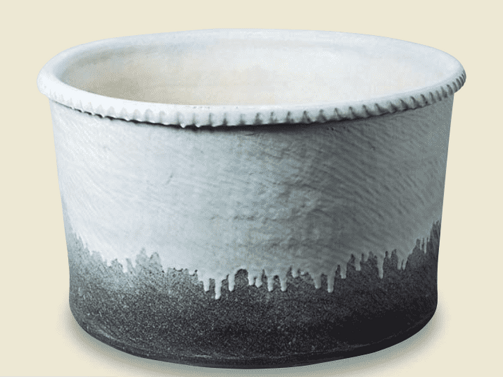
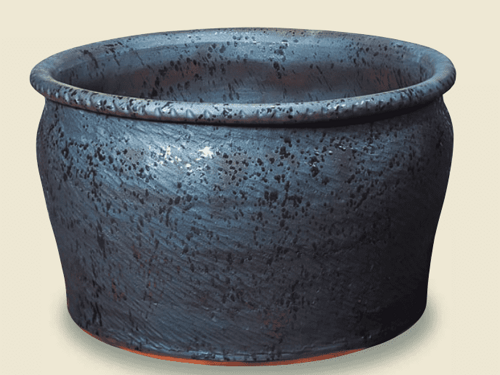
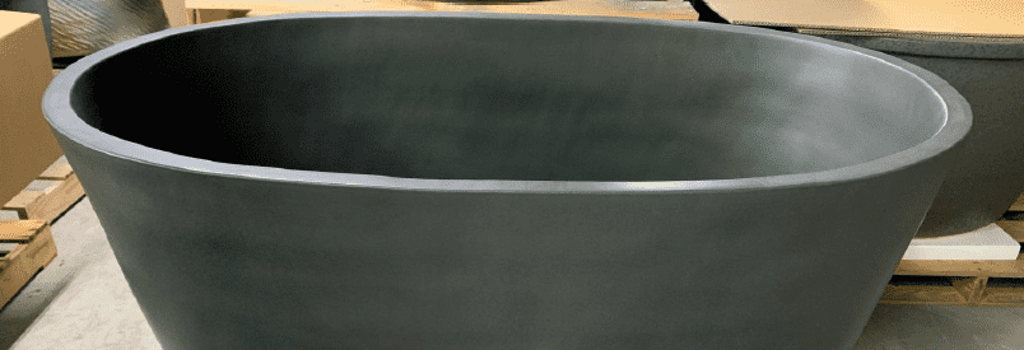
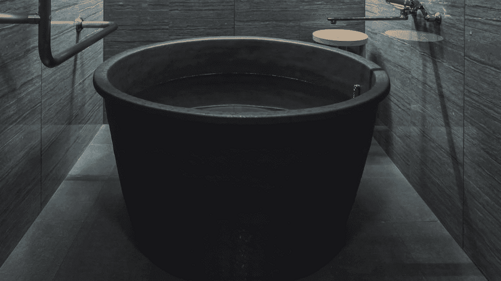
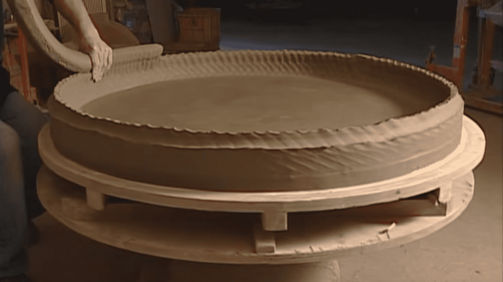
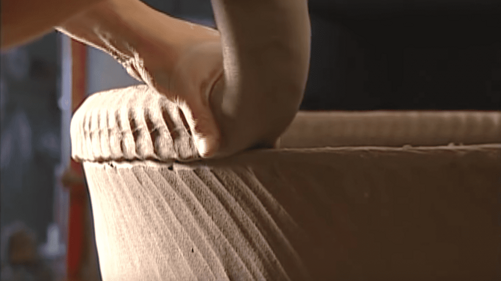
After preparing the Shigarki clay mixture, along with a special blend of other raw materials and water, the first step is shaping the vessel. The material is applied by hand in bead-like shapes, layer by layer, all the way around a circular or oval-shaped base until the desired wall height is reached. There are two methods: rokuro seikei, in which rotationally symmetrical hollow bodies are formed using a potter's wheel (exclusively for round vessels up to 130 cm in diameter), and teneri seikei, in which the shaping is done entirely by hand for larger or oval pieces. The resulting blank, with its solid, thick vessel walls, requires air drying for 2–3 weeks, reducing the initial 20% humidity to 5%. As further preparation for firing, it is then left to dry for 2 days in the drying chamber. During drying, shrinkage occurs, which must be taken into account during the shaping phase. Firing lasts about three days, during which the kiln temperature is slowly increased to 1250°C; cooling also occurs slowly in the kiln and lasts about two days. For surface finishing, to smooth and seal against liquids, glazes in various colors are applied, such as kogeyohen or kuromatto (matte black).
MADE TO ORDER PRODUCTION
These ceramic bathtubs are ordered and manufactured according to the customer's individual wishes:
- Size (for one, two, or more people)
- Shape (round or oval, various diameters)
- Positioning (freestanding, recessed into the floor)
- Creation of various details and tub covering
- Choice of surface texture and glaze color