JAPANESE WOOD CULTURE
FUNCTION AND AESTHETICS OF JAPANESE WOODS
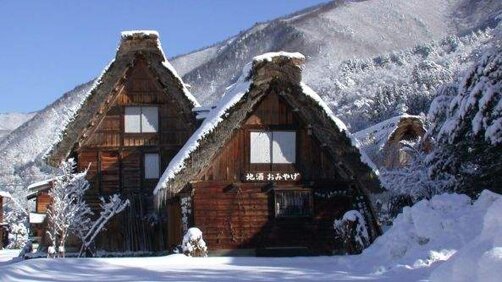
In the Land of the Rising Sun, wood is a widespread material rich in tradition. Its use plays an important role in daily life, both as a material for building houses and for a variety of everyday objects. Thei different climatic conditions of the Japanese islands, which stretch over 3000 km, between cold polar winds and subtropical ocean currents, cause very different growing conditions on the various slopes. This has led to the development of indigenous tree species with very special woods, which are particularly suitable for certain areas of application.
BRUNO TAUT AND JAPAN
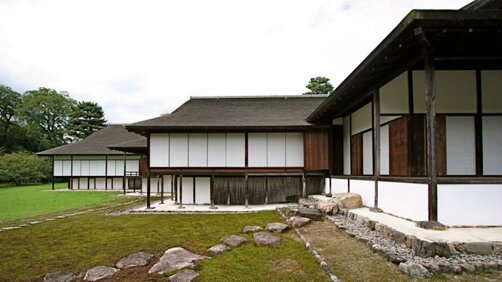
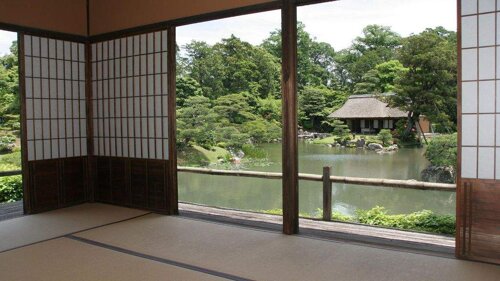
German architect Bruno Taut observed in his treatise The Japanese House and Its Life, which he wrote during his stay in Japan in the 1930s: "...the aristocrat in the forest, however, is the Japanese cypress, called hinoki. It is strong and of a delicate, soft beauty without any particular emphasis on its grain, and it gives the house, shrine, or temple a delightful fragrance that lasts for two years or more. This wood is the noblest and most expensive and is therefore not considered for mass use."




WOODEN BATHTUB MADE FROM NATURAL WOODS FROM JAPANESE TREE SPECIES
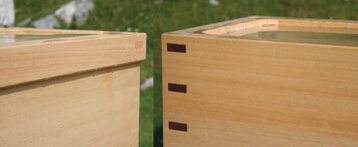
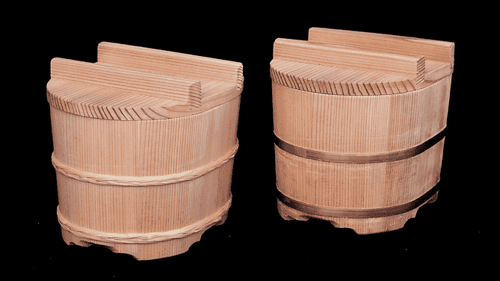
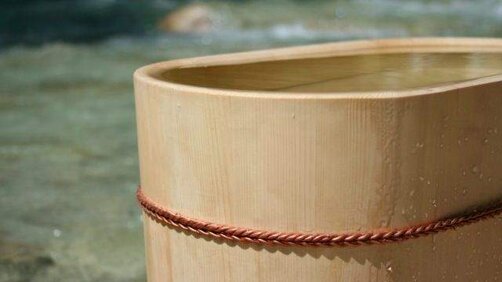
In Japanese homes, the bathtub is about 60 cm deep, allowing a seated person to immerse themselves up to their shoulders. Traditionally, the bathtub is made from one of the particularly water-resistant native woods: hiba - hinoki - koyamaki - nezuko - sawara. Another key characteristic of these original Japanese woods is that, when exposed to hot water and steam, they release pleasant olfactory notes and produce lingering olfactory sensations.
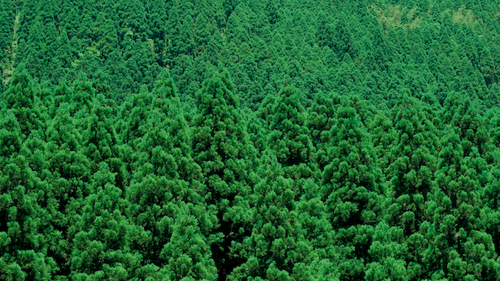
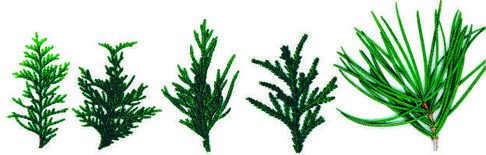
PROPERTIES OF THE NEEDLE-LEAF TREES HINOKI HIBA KOYAMAKI NEZUKO SAWARA
The unique goboku woods, five of the tree species typical of the Kiso and Aomori regions, possess diverse properties that positively influence well-being and health. However, these characteristics manifest differently in individual woods; it is therefore advisable to carefully choose the ideal wood species, depending on individual aesthetic and functional needs. At this point, it is also worth mentioning the art of bonsai, in which the cultivation of goboku trees, customary in Japan, is very popular. For the harmonious representation of natural elements in miniature form, the hinoki and hiba tree species are particularly suitable, and countless splendid bonsai specimens exist.
RELAXING AND ANTIBACTERIAL PROPERTIES OF GOBOKU WOODS
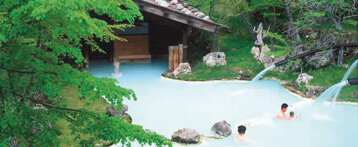
Thanks to their phytoncides, such as hinokitiol, which belong to the terpene family (volatile compounds), these woods release a distinctive, long-lasting scent with a relaxing and antibacterial effect, comparable to the Japanese concept of "forest bathing" (shinrin-yoku, or inhaling the rejuvenating air of the forest).
These essences also contain alpha-pinene, alpha-cardinol, and borneol—substances that have a relaxing effect on the body, especially when fatigued. They also strengthen alpha brain waves, lower blood pressure, and help loosen asthmatic secretions from the mucous membranes (in asthmatics). The unique scent of these woods helps relax the body and mind and conveys a pleasant feeling of well-being.

CONSTANT WATER TEMPERATURE FOR HOURS
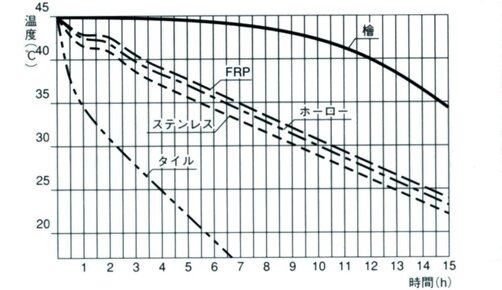
The water cools very slowly in these wooden tubs. This allows for a "deep" warming of the body, which stimulates blood circulation and promotes the release of congestion in the lymphatic system. The diagram shows the cooling curve of water in wooden tubs ' --------- ' compared to other materials ' - - - - - ' [C°/h].
DURABILITY AND BEAUTY OF THE NATURAL WOOD
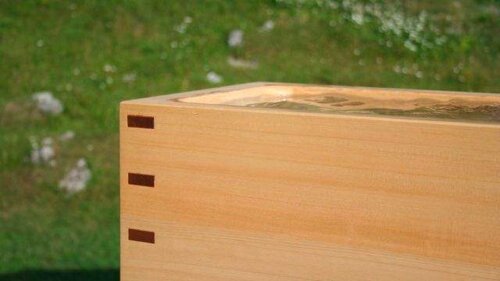
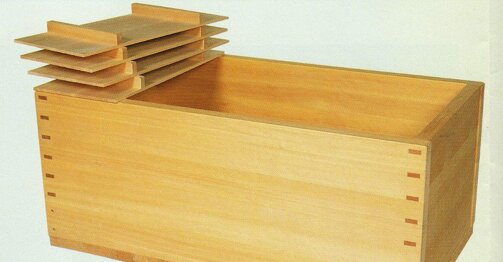
To preserve the functionality and beauty of your tub, just a few simple rules must be followed. Special goboku coniferous woods are distinguished by their exceptional water resistance. The tubs are produced using a handcrafted technique developed through extensive experience by select artisans. Thanks to the natural wood, the touch and sight of this eco-friendly material offer a pleasant sensory experience, especially considering that the body is completely naked during bathing. The therapeutic benefits of bathing in Japanese wooden tubs have been extensively demonstrated by scientific studies; these have confirmed the beneficial effect on the body, thanks to the chemicals dissolved in the water. Regarding the visual aspect, the use of natural wood also corresponds to the aesthetic concept of wabi sabi, the Japanese perception of beauty based on the acceptance and contemplation of the transience and imperfection of things.

WABI SABI
The concept of wabi sabi cannot be described in words; it can only be felt. For those interested, we recommend reading:
Leonard Koren, Wabi-Sabi for Artists, Designers, Poets & Philosophers, 2008,
Beth Kempton, WABI SABI: The Japanese Wisdom for a Perfectly Imperfect Life, 2019.