BATHTUBS MADE OF NATURAL WOOD ESSENCES
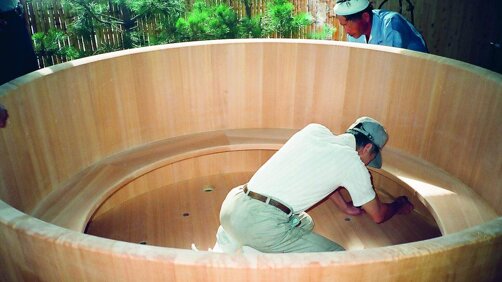
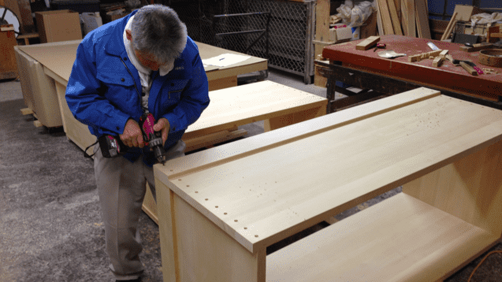
CENTURIES-OLD CRAFTSMANSHIP
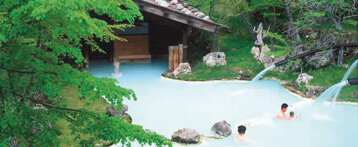
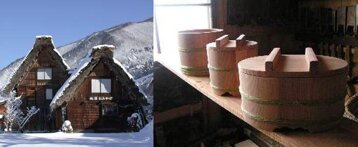
For generations, specialized craftsmen in the renowned forest regions of the Japanese Alps have crafted bathtubs from local wood species particularly suited to this purpose. Thanks to the local bathing tradition and woodworking expertise, they have acquired a high level of expertise both in the selection and processing of materials and in the development of models and shapes. This artisanal production thus creates unique pieces of great value, such as those found in countless Japanese spas, known as ryokans or onsen-ryokans, as well as in elegant private homes.

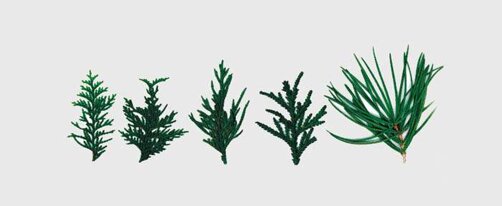
AUTOCHTHONOUS WOODS FROM JAPANESE FORESTS
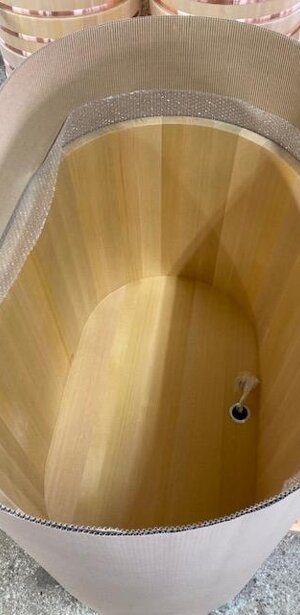
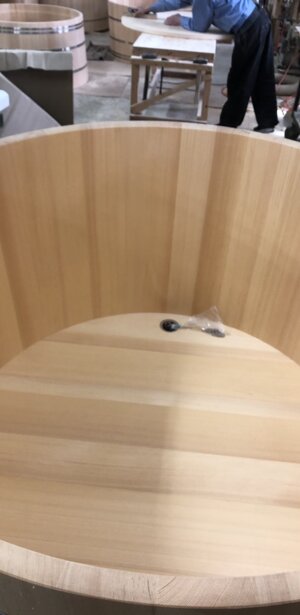
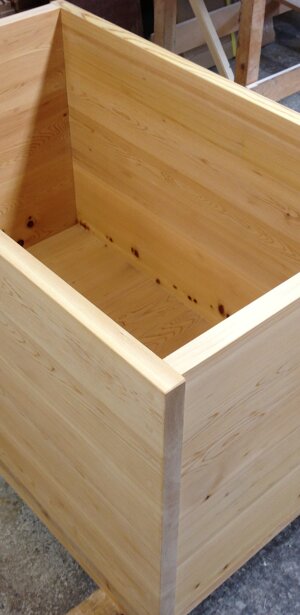
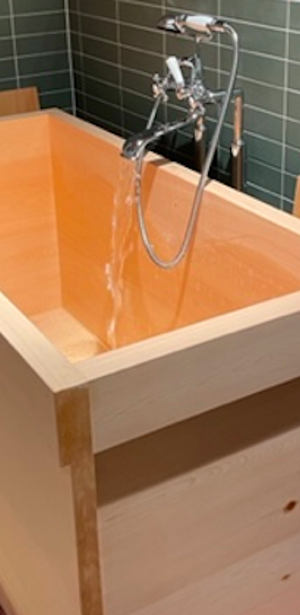
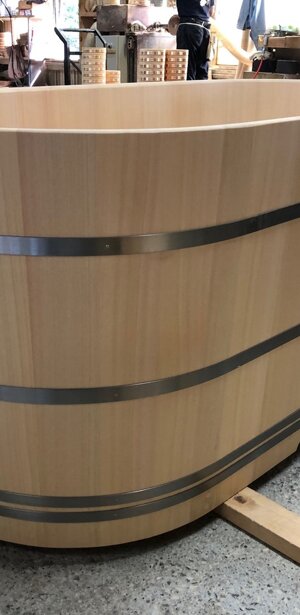
The tubs are made from unique goboku woods, the five typical Japanese needle-leaved trees: hiba, hinoki, koyamaki, nezuko, and sawara. Thanks to special ethereal substances, these native species are distinguished by high water resistance, a pleasant scent, and antibacterial and calming effects. Consequently, tubs made from these woods are left "natural," meaning the wood surfaces are unvarnished, leaving the pores open.
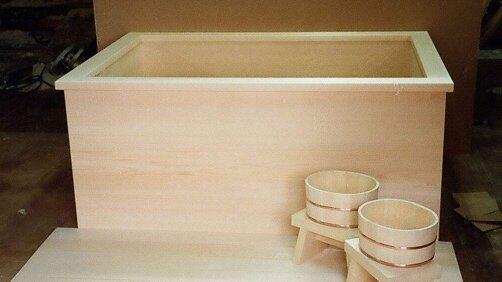
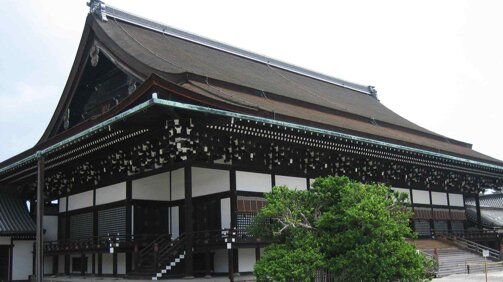
FURNISHINGS OF THE IMPERIAL PALACES
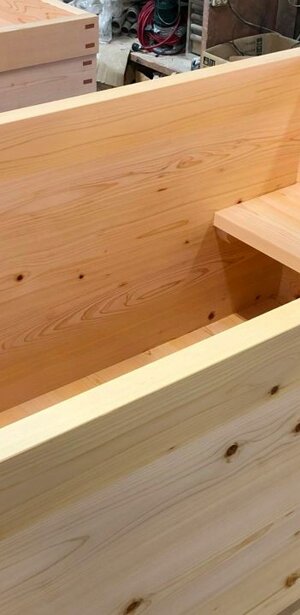
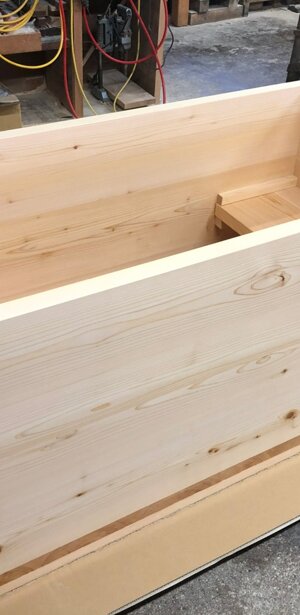
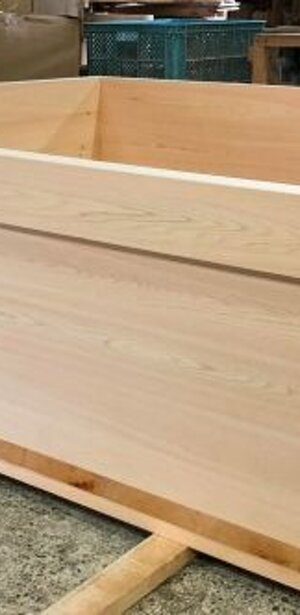
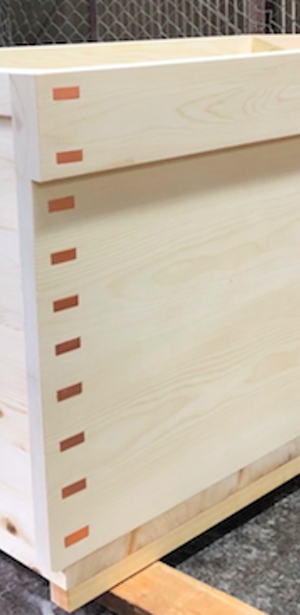
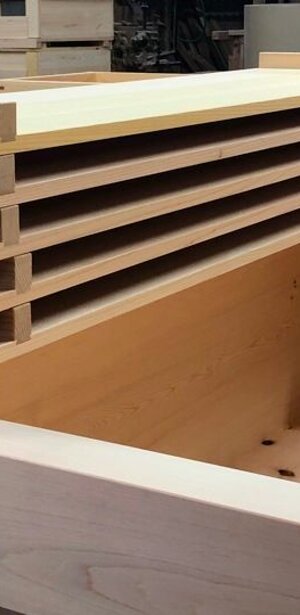
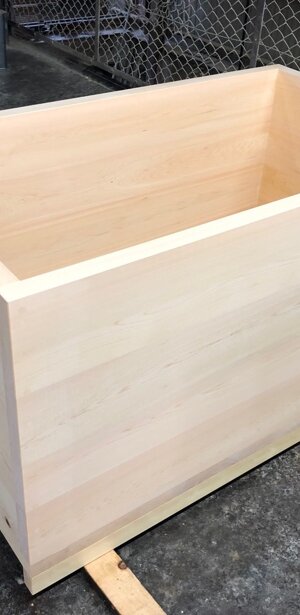
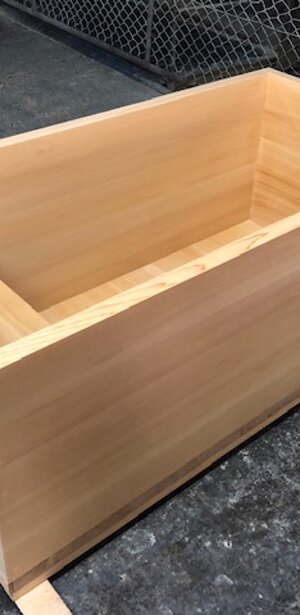
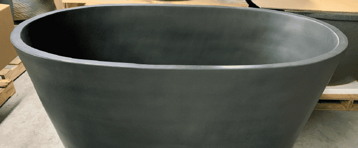
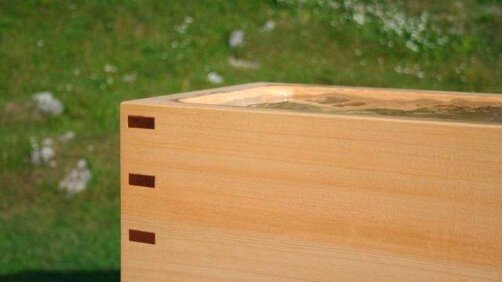
The Imperial House of Japan has commissioned one of our suppliers several times over the years to create various hinoki and koyamaki wood bathtubs for its residences in Tokyo and Kyoto. A special feature of the bathtub pictured here are its walls, which were crafted from a single plank of a tree of considerable diameter.
CUSTOM MANUFACTURING
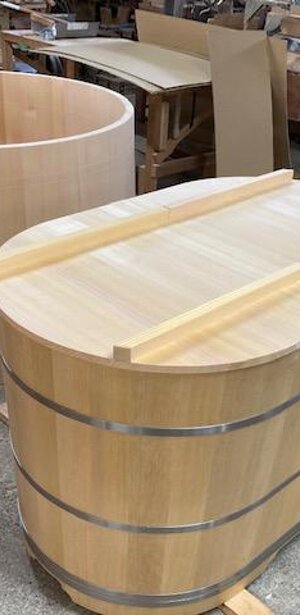
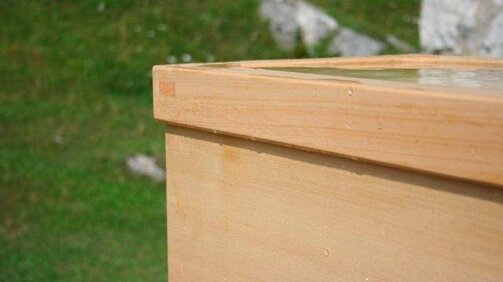
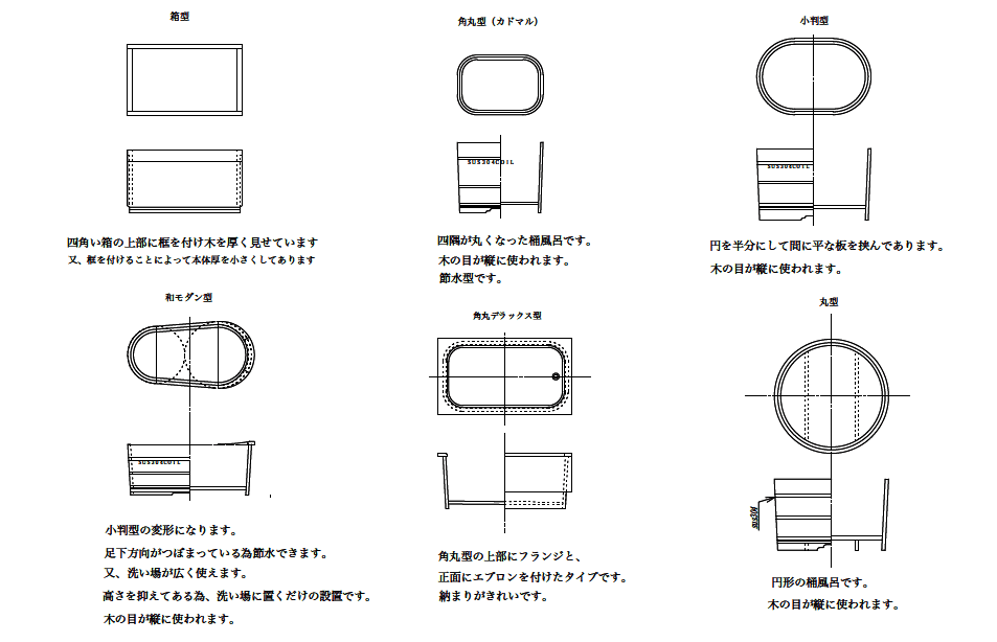
Since these are exclusively unique pieces handcrafted from solid wood, the bathtubs are ordered and manufactured according to the customer's individual wishes:
- Size (for 1-2 people or larger, e.g., for hotel applications)
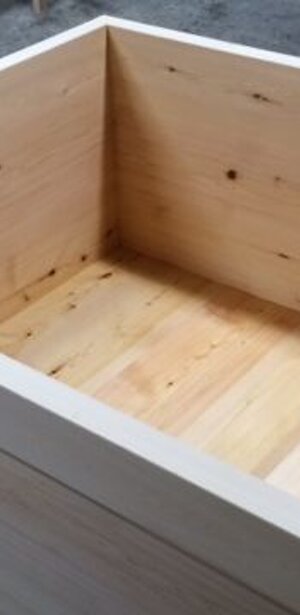
- Shape (cubic, oval, round with various diameters)
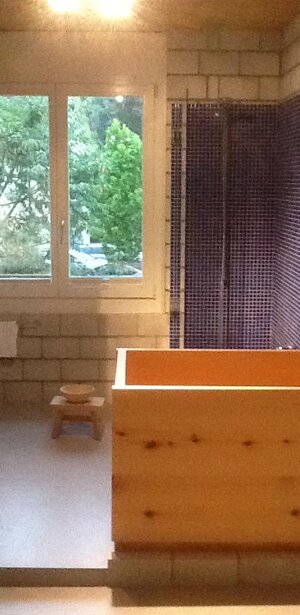
- Positioning (freestanding, recessed, more or less recessed into the floor)
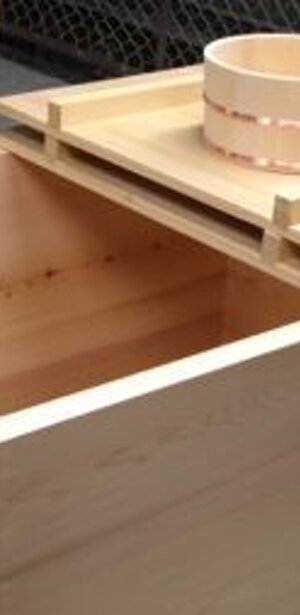
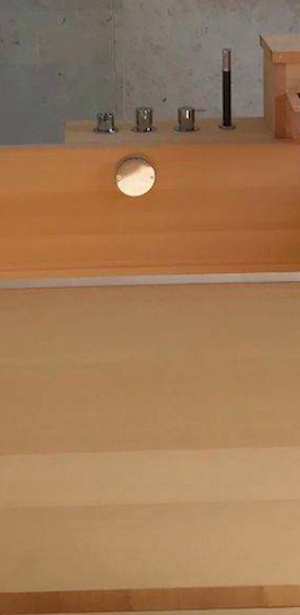
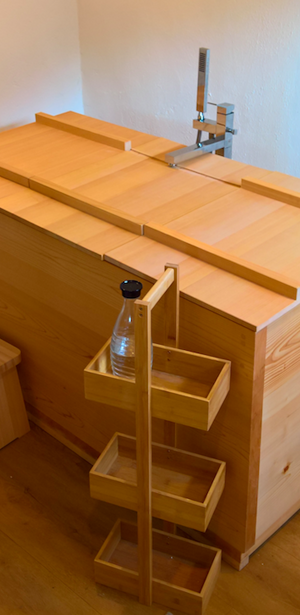
- Construction details, tub cover to retain heat - Choice of wood type (characteristic grain and color, ethereal substances, etc.)
CARE OF THE BATHTUBS
We advise you on the many options available and on proper maintenance, so that your tubs remain functional and beautiful for a long time – a minimal effort for true lovers of wood and nature.
ACCESSORIES FOR THE JAPANESE BATHROOM
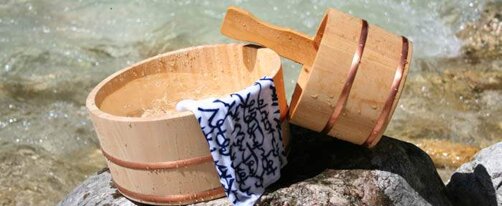
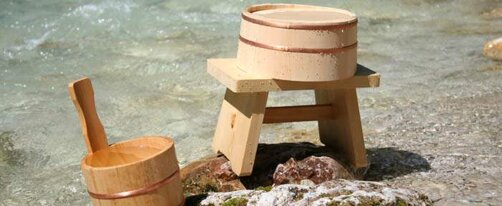
To bathe elegantly in Japanese style, you need certain utensils: a stool and basin for the cleansing ritual outside the tub, as well as suitable clothing for the period after the bath (yukata and zori), to prolong the feeling of beneficial relaxation as much as possible.
REFERENCES
Abano Terme, Bad Dürkheim, Bad Reichenhall, Bad Tölz, Berlin, Brescia, Campobasso, Davos, Dublin, Fabriano, Garda Lake, Hannover, Kitzbühel, Langhirano, London, Martigny, Milan, Munich, Oslo, Parma, Pavia, Schwäbisch Gmünd, Starnberg, Strasbourg, Tegernsee, Trier, Valdobiadene, Valpolicella, Zürich ...